Caffeine and vitamin D for women: what improves training?
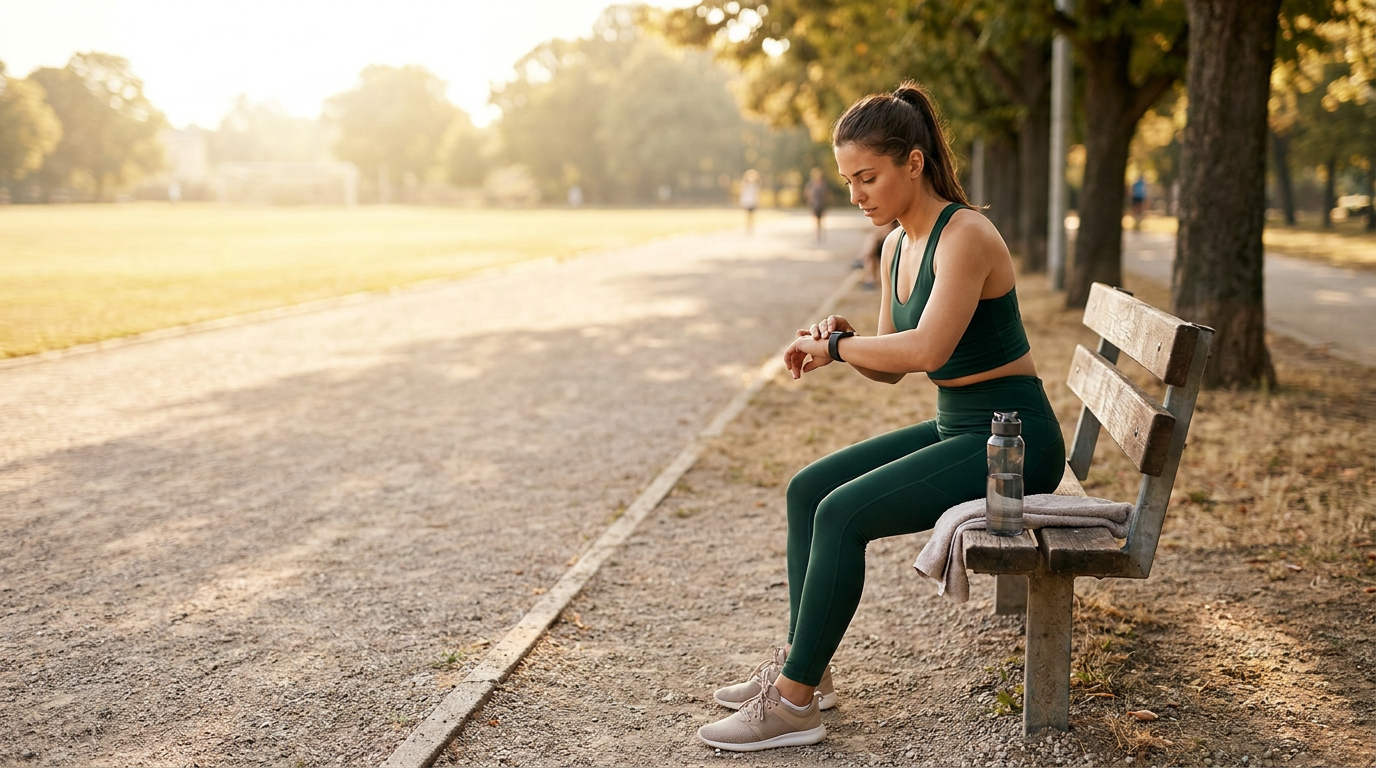
Caffeine and vitamin D are familiar parts of the fitness landscape, but recent research illustrates why they should not be treated as interchangeable “performance” supplements. One may acutely raise power during repeated hard efforts. The other may support health when vitamin D status is low, yet does not necessarily amplify the metabolic effects of exercise.
Two randomised trials offer a useful contrast. A small caffeine experiment measured performance over several hours but included only four women. A separate 10-week study enrolled 50 women with obesity and type 2 diabetes, testing Pilates, vitamin D and their combination. Together, the findings support a restrained conclusion: supplements can alter selected outcomes, but training remains the more consistent signal, and female-specific evidence depends heavily on who was actually studied.
Caffeine and vitamin D affect training differently
In a 2026 randomised, double-blind trial published in Medicine & Science in Sports & Exercise, 12 healthy young adults completed caffeine and placebo conditions. Participants took 5.5 milligrams of caffeine per kilogram of body weight, then performed three repeated-sprint sets across a 3.5-hour protocol. Each set paired moderate cycling with six five-second sprints.
Caffeine increased average sprint power compared with placebo, with effects lasting through the protocol. The researchers also measured heart rate, breathing, perceived exertion, leg pain, noradrenaline and blood-flow variables. This was a controlled human experiment, which strengthens the comparison with placebo, but it was extremely small. Only four participants were female, so it cannot establish whether menstrual phase, hormonal contraception, perimenopause or menopause modifies the response.
The dose also deserves context. At 5.5 milligrams per kilogram, it equates to 330 milligrams for a 60-kilogram person and 385 milligrams for someone weighing 70 kilograms. That can exceed the caffeine in several standard coffees, depending on preparation. A performance effect at this dose does not mean that every woman needs, tolerates or benefits from it.
Vitamin D operates on a different timescale. It is not an acute stimulant, and its value cannot be judged by whether a workout immediately feels easier. In a 2026 Scientific Reports trial, 50 women with obesity and type 2 diabetes were randomly assigned to five groups involving supervised Pilates, weekly vitamin D at 5,000 IU, placebo or control conditions over 10 weeks.
Exercise-containing groups improved several metabolic measures. However, adding vitamin D to Pilates did not produce significant extra benefits over the other exercise groups for fasting glucose, glucagon or total cholesterol. The combined group differed on some measures, including interleukin-1, HDL cholesterol and triglycerides, but the small, five-arm design limits certainty. The results apply most directly to women around age 55 with obesity and type 2 diabetes, not to all active women.
What the caffeine result means for women
Caffeine can be useful for repeated sprints, interval sessions and sports requiring intermittent bursts of power. Its long half-life also means that a pre-workout dose can remain active well after training ends. That may be an advantage during an extended event, but a liability when an afternoon or evening dose delays sleep or makes sleep lighter.
This trade-off is particularly relevant when sleep is already disrupted by cycle symptoms, stress, vasomotor symptoms or changing hormone patterns in perimenopause. Better output in one session may not represent a net benefit if it is followed by poorer sleep, lower next-day energy or slower recovery. Energy tracking across daily habits can help distinguish an acute lift from a recurring cost.
Women may also experience caffeine differently across hormonal states, but this trial was not designed to answer that question. It provides no menstrual-cycle analysis and no clear evidence for women using hormonal contraception or menopausal hormone therapy. The low female representation is not a minor detail. It prevents confident conclusions about female-specific dosing, side effects or timing.
Dose should therefore be interpreted as a study condition, not a universal target. Habitual intake, body size, medication use, anxiety symptoms, cardiovascular health and caffeine metabolism can all influence response. A lower amount may still be useful, while a high amount can cause palpitations, gastrointestinal discomfort, tremor or an exaggerated sense of effort in some people.
Vitamin D does not replace the exercise stimulus
The Pilates trial is notable because it studied women directly and examined glycaemic, lipid and inflammatory markers rather than relying only on body weight. Its clearest practical message is not that a combined protocol is superior. It is that groups performing supervised exercise improved across several outcomes, while vitamin D did not consistently add further benefit to key glucose and cholesterol measures.
Vitamin D may still matter when levels are low. The trial measured 25-hydroxyvitamin D and found changes across groups, but the supplied abstract does not establish that supplementation benefits every woman regardless of baseline status. Supplement use is most interpretable when connected to a reason for taking it, an appropriate dose and, where clinically relevant, a blood measurement.
The study also should not be extrapolated too far. It was small, lasted 10 weeks and included women with a specific metabolic profile. It does not show whether Pilates plus vitamin D changes outcomes in younger women, women without diabetes, people with different body composition, or those already meeting their vitamin D needs.
Still, Pilates may be an accessible way to build regular movement, strength, control and mobility. For women managing type 2 diabetes, the metabolic response to training can also be influenced by medication, meals, sleep and menopausal status. Those factors were not resolved by this single trial.
Build the supplement decision around the outcome
These studies argue for separating three questions. Is the aim to improve output during a specific session, correct or prevent a nutrient insufficiency, or improve long-term metabolic health? Caffeine is most relevant to the first. Vitamin D may be relevant to the second. Regular exercise contributes more directly to the third, although the optimal mode and dose vary by health status and capacity.
Timing matters as much as selection. Caffeine’s benefit may persist for at least 3.5 hours, but so can unwanted stimulation. Vitamin D should be evaluated over weeks or months, not by the sensations of a single workout. Neither supplement can be assessed well when training load, sleep and symptoms are changing at the same time.
A useful personal experiment changes one variable while keeping the rest reasonably stable. For caffeine, the relevant signals include dose, timing, session power, perceived exertion, heart rate, sleep quality and next-day energy. For vitamin D, the useful context includes the prescribed or chosen dose, consistency, baseline and follow-up blood values where available, and changes in training or medication. The science behind pattern-based health tracking explains why repeated observations are more informative than isolated good or bad days.
Recovery patterns matter more than a single workout
Neither trial supports chasing one headline metric. Sprint power is meaningful, but so are sleep and recovery. A change in fasting glucose or triglycerides may matter, but it cannot reveal which element of a combined routine produced the result in one individual.
The signal becomes readable only when caffeine timing, sleep quality, energy and training recovery are logged consistently over several weeks. That is the kind of pattern Tulsy is built to surface.
Sources: Medical Xpress, Nature.
This content is for informational and educational purposes only. It is not intended to diagnose, treat, cure, or prevent any disease, and should not replace advice from a qualified healthcare professional.
Common questions
- How long does caffeine improve exercise performance?
- In one small randomised trial, a single pre-exercise dose improved repeated-sprint power across a 3.5-hour protocol. The study included only 12 adults and four women, so the duration and size of benefit are not firmly established for women across menstrual, contraceptive or menopausal states.
- Does vitamin D make Pilates more effective?
- A 10-week randomised trial in 50 women with obesity and type 2 diabetes found improvements in several metabolic outcomes in exercise groups. Adding weekly vitamin D did not significantly improve fasting glucose, glucagon or total cholesterol beyond the other exercise conditions, although some lipid and inflammatory measures differed.
- Can pre-workout caffeine interfere with recovery?
- Yes. Caffeine can remain active for hours, so later doses may delay sleep or reduce sleep quality in susceptible people. Any performance gain should be weighed against sleep, next-day energy and recovery. Individual response varies with dose, timing, habitual intake, medications, health conditions and caffeine metabolism.
More on the research behind Tulsy in the science, or browse everything in Fitness and Nutrition.
References
- Nishikawa M et al. Pre-Exercise Caffeine Enhances Repeated Sprint Performance and Alters Physiological and Perceptual Responses with Effects Lasting up to 3.5 h. Medicine & Science in Sports & Exercise. 2026. doi:10.1249/mss.0000000000004129
- Soleimani A et al. Combined effects of vitamin D supplementation and pilates training on glycemic, lipid, and inflammatory markers in obese women with type 2 diabetes. Scientific Reports. 2026. doi:10.1038/s41598-026-74072-8
Further reading (news coverage)
Related reading
- Strength Training and Vitamin D for Women: Beyond the Scale
New research sharpens the case for looking beyond body weight when assessing resistance exercise, while raising practical questions about vitamin D2 and D3.
- Strength Training for Longevity: What Women Need to Know
Physical capacity may begin declining in the mid-30s, but later-life improvement remains possible. For women, effective strength work also requires measured recovery.
- Gut Health and Younger-Onset Cancer: What Women Should Know
Cancer rates are rising among younger adults for reasons established risk factors cannot fully explain. The gut microbiome is one hypothesis, not yet a proven cause.
Get Tulsy Daily in your inbox