Bone Health for Women: What Coffee, Tea and Inflammation May Mean
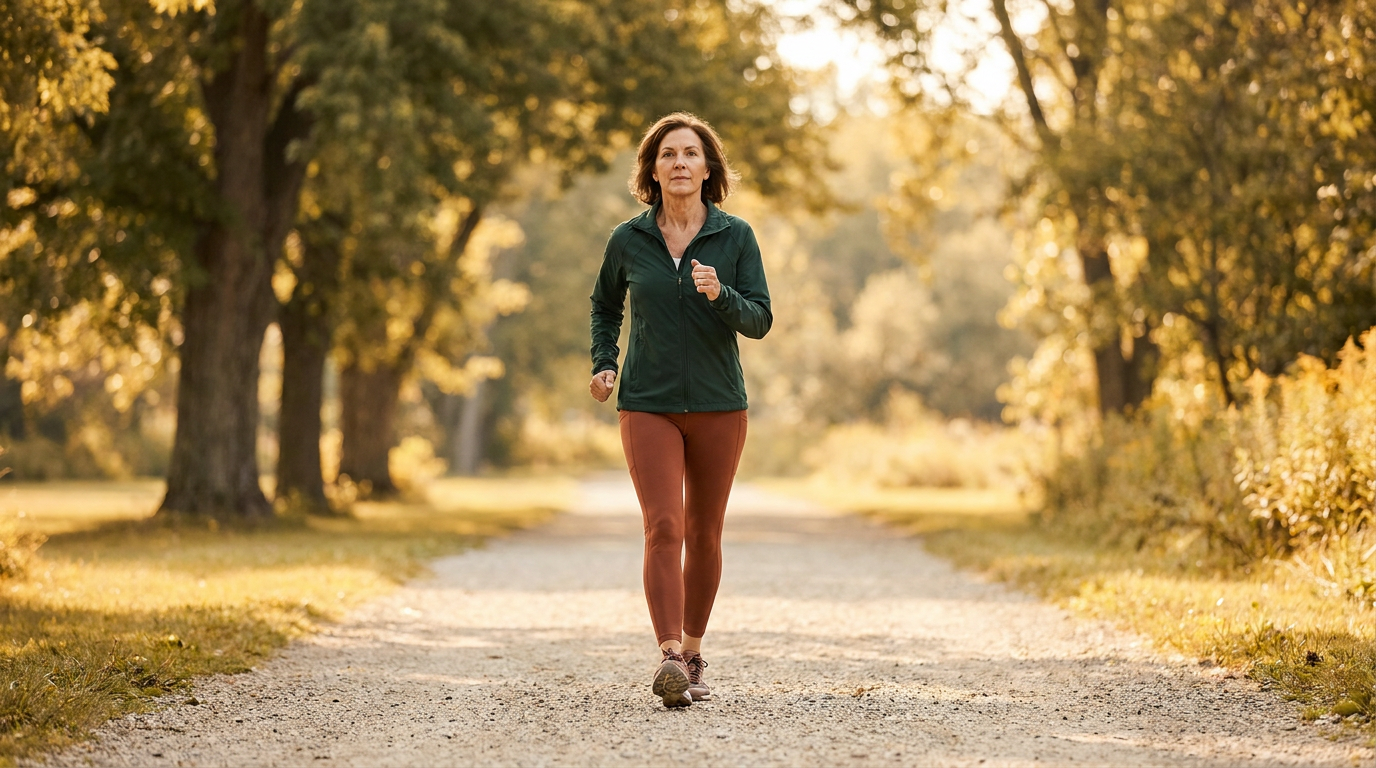
Bone health for women is a longevity issue, not simply a concern for later life. Bone is living tissue that continually remodels, responding to hormones, nutrition, mechanical loading, medications and age. The consequences of gradual loss may remain invisible until a fracture changes mobility, independence and overall health.
Two recent studies illuminate different parts of this process. A decade-long study of nearly 10,000 older women found that moderate coffee intake was not associated with poorer bone density, although more than five cups a day was linked to lower density. Tea drinking was associated with slightly higher hip bone density. Separately, experiments in mice identified an immune pathway that may impair the clearance of damaged, inflammatory cells with age. Together, the findings reinforce a practical point: healthy aging depends on both everyday exposures and the biology of chronic inflammation, but the strength of evidence differs sharply between them.
Coffee, tea and bone health for women
The coffee finding is reassuring for most regular drinkers. In this observational study, moderate intake did not appear harmful to bone density. The potential concern emerged at more than five cups daily, a level that may also affect sleep, appetite, anxiety, blood pressure or calcium intake depending on the individual and the size and strength of each serving.
The study cannot prove that heavy coffee consumption directly weakened bone. People who drink large amounts of coffee may differ in diet, smoking history, physical activity, sleep or other factors that influence skeletal health. Bone density is also only one component of fracture risk. Balance, muscle strength, vision, medications and fall exposure matter too.
Tea’s association with slightly higher hip bone density is interesting but modest. Tea contains polyphenols that could influence oxidative stress, inflammation or bone-cell activity. It may also replace other drinks. Yet an association is not evidence that adding tea will prevent osteoporosis or fractures. The more defensible interpretation is that tea can fit within a bone-supportive diet, while very high coffee intake deserves closer examination rather than alarm.
Menopause changes the skeletal equation
Women face a distinctive period of accelerated bone loss around menopause. Falling estrogen increases bone resorption, the process by which old bone is broken down, and remodeling can become unbalanced. This transition means an exposure that looks minor in a broad population may matter differently for someone already losing bone rapidly or living with other risk factors.
Those factors include low body weight, limited resistance or impact exercise, inadequate calcium or protein intake, vitamin D deficiency, smoking, high alcohol intake, a history of eating disorders, prolonged menstrual absence, early menopause, and long-term use of certain medicines such as glucocorticoids. Family history and previous low-trauma fractures also carry weight.
Coffee therefore should not be judged in isolation. Five cups alongside poor sleep, low food intake and little strength training represents a different pattern from two cups within a nutritionally adequate diet and active routine. Caffeine may modestly increase short-term calcium loss, but sufficient calcium intake appears to reduce the significance of this effect. What is added to coffee can matter metabolically, while timing can matter for sleep, another contributor to physical function and fall risk.
Inflammation is promising science, not yet a treatment
The immune-aging study focused on a receptor involved in how immune cells recognize and clear senescent cells. These damaged cells no longer divide normally and can release inflammatory signals that affect surrounding tissue. When researchers blocked the receptor in mice, immune cleanup improved and measures involving organs, muscles and memory appeared more youthful.
This is an intriguing contribution to research on inflammaging, the persistent, low-grade inflammation associated with aging. It may eventually help explain why multiple tissues deteriorate together rather than as entirely separate problems. Bone is part of this network. Immune signaling influences the cells that remove and rebuild bone, and chronic inflammatory conditions can increase skeletal loss.
However, the work was conducted in mice. A pathway that improves function in an animal model may prove unsafe, ineffective or much more complex in humans. Immune receptors often perform several jobs, and suppressing one signal could create unintended effects, including altered infection defense or immune surveillance. There is currently no basis for treating this finding as a supplement strategy or a clinically available anti-aging intervention.
Evidence specific to women is especially important. Sex hormones shape immunity, inflammation, body composition and bone turnover, yet preclinical aging research does not always establish how effects vary by sex or menopausal status. Human trials would need to examine women directly and include outcomes that matter, such as fractures, strength, cognition, disability and adverse effects, rather than relying only on laboratory markers.
A longevity strategy should protect bone and muscle together
The most established approach is less novel than immune manipulation, but much better supported. Progressive resistance training helps preserve muscle and stimulates bone at loaded sites. Weight-bearing and impact activity can support skeletal strength when appropriate for a person’s health, joint status and fracture risk. Adequate protein supports muscle, while calcium and vitamin D are necessary for bone metabolism. Supplements are most useful when food intake, absorption, sun exposure or measured status leaves a gap, rather than as automatic additions.
Clinical assessment remains important because osteoporosis often has no early symptoms. Bone-density testing is generally recommended for women from age 65, and earlier after menopause when fracture risk is elevated. Timing varies by country and individual risk. A prior fragility fracture, significant height loss, early menopause, prolonged steroid treatment or a strong family history may justify earlier evaluation.
The new beverage data add nuance rather than a new rule. Moderate coffee consumption appears compatible with skeletal health for many women. Habitually exceeding five cups may be worth discussing in the context of total caffeine, sleep, diet and existing bone risk. Tea may be a reasonable alternative for some servings, but it should not be framed as osteoporosis treatment.
Caffeine intake, sleep quality, energy and training recovery only become readable as a personal pattern when they are logged consistently over weeks. This is the kind of relationship Tulsy is built to surface.
Sources: ScienceDaily.
This content is for informational and educational purposes only. It is not intended to diagnose, treat, cure, or prevent any disease, and should not replace advice from a qualified healthcare professional.
Common questions
- How much coffee is too much for a woman's bones?
- Recent observational research in older women linked more than five cups of coffee a day with lower bone density, while moderate intake was not associated with harm. Cup size, caffeine strength, calcium intake and other risk factors matter. The study shows an association, not proof that heavy coffee intake directly causes bone loss.
- Does drinking tea prevent osteoporosis after menopause?
- Tea drinking was associated with slightly higher hip bone density in a large study of older women, but the difference was small and the research cannot prove prevention. Tea can be part of a healthy diet, yet it does not replace resistance exercise, adequate protein and calcium, vitamin D when needed, or clinical screening.
- What does inflammation have to do with bone aging?
- Chronic low-grade inflammation can alter the balance between cells that break down and rebuild bone. New mouse research suggests immune cells may become less effective at clearing damaged, inflammation-promoting cells with age. This is biologically promising, but it has not yet produced a proven anti-aging or bone treatment for women.
More on the research behind Tulsy in the science, or browse everything in Longevity.
References
Related reading
- Brain longevity for women: what new aging research reveals
New studies suggest that immune cells, myelin maintenance, vascular health and the gut may all shape cognitive aging. Most findings remain early, with important gaps for women.
- Strength Training for Longevity: What Women Need to Know
Physical capacity may begin declining in the mid-30s, but later-life improvement remains possible. For women, effective strength work also requires measured recovery.
- Menopause Tracking Technology Is Moving Beyond Period Dates
New research describes menopause as a body-wide transition. The next generation of tracking technology will need to connect biomarkers with lived symptoms and context.
Get Tulsy Daily in your inbox