Menstrual Cycle Workouts Need Personal Data, Not Rules
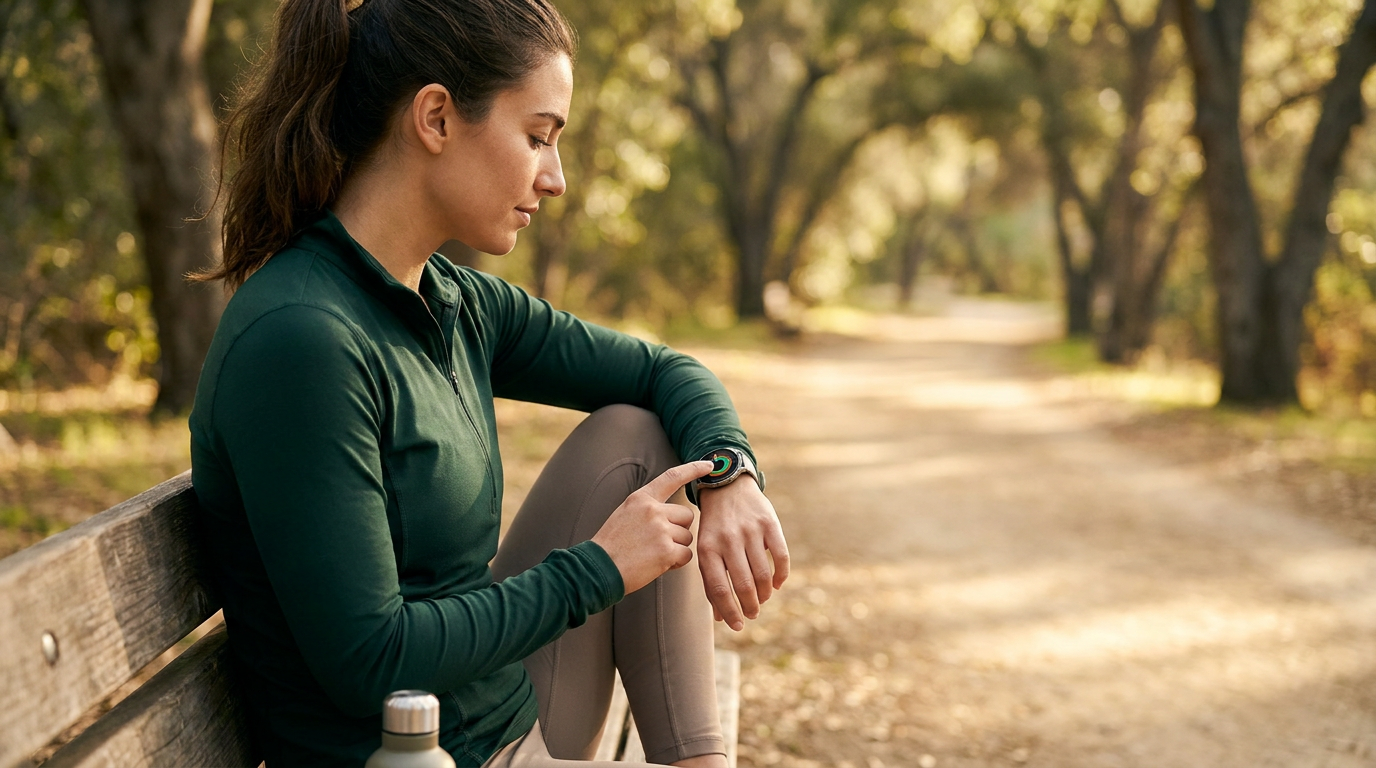
Menstrual cycle workouts are increasingly promoted as a way to align exercise with predictable hormonal changes. The premise is appealing: train harder when estrogen is rising, reduce intensity before or during a period, and expect performance to follow a monthly rhythm. The evidence does not support such a universal schedule.
Cycles vary substantially between women and within the same woman. Hormonal contraception, irregular ovulation, perimenopause, sleep, nutrition, training load and illness can all alter the pattern. Recent reporting on cycle syncing, alongside new research into fatigue and heavy periods in teenage girls, points to a more useful approach: treat cycle phase as context, not a command.
What the evidence says about menstrual cycle workouts
Estrogen and progesterone influence temperature regulation, fuel use, connective tissue and the nervous system, so it is biologically plausible that performance or recovery could change across the cycle. Some studies report small phase-related differences in strength, endurance or perceived effort. Others find little or no meaningful effect.
The research base has important limitations. Many studies include few participants, determine cycle phase imprecisely, use different exercise tests or fail to confirm ovulation with hormone measurements. Averages can also conceal large individual responses. Even when a group-level difference exists, it may be too small to matter for one person’s training plan.
This does not mean cycle effects are imaginary. It means rigid social-media templates, such as assigning high-intensity training to one phase and yoga to another, claim more certainty than the evidence allows. Calendar estimates are particularly unreliable when cycles are irregular or changing. A phase-based plan is only useful if it matches a woman’s repeated experience and remains flexible.
Heavy periods can change the training picture
Fatigue around menstruation should not automatically be attributed to normal hormonal fluctuation. New research in teenage girls linked tiredness with heavy menstrual bleeding and lifestyle factors, while iron deficiency did not explain fatigue in every participant. That distinction matters: fatigue is a symptom with several possible contributors, not a direct measure of iron status.
Heavy bleeding can still increase the risk of iron depletion over time. Iron is required for hemoglobin production and oxygen transport, and low stores may affect energy, concentration and exercise tolerance before anemia becomes severe. Yet taking iron without evidence of deficiency is not a precise response and can cause gastrointestinal side effects. Clinical assessment may include a blood count and ferritin, interpreted alongside symptoms, bleeding history and inflammation.
Signs that warrant medical attention include repeatedly soaking through menstrual products in a short period, bleeding for more than about seven days, passing large clots, breathlessness, dizziness, palpitations or a marked decline in function. Heavy periods can be associated with fibroids, adenomyosis, bleeding disorders, thyroid conditions and other causes that deserve evaluation.
Symptoms may be more informative than cycle day
A woman can be in the same nominal cycle phase across two months and have a very different training experience. Sleep quality, food intake, stress, temperature, recent illness and accumulated workload can have a stronger immediate effect than reproductive hormones. Premenstrual symptoms can also vary from month to month.
The most useful adjustment is therefore based on function. If usual loads feel normal, recovery is stable and symptoms are mild, there is no clear reason to reduce training solely because a period has started. If cramps, migraine, heavy bleeding, poor sleep or unusually high perceived effort are present, changing intensity, volume or exercise selection may be reasonable.
This differs from abandoning structure. A programme can retain progressive overload and planned recovery while allowing symptom-led modifications. The key comparison is not with an idealized 28-day cycle, but with a woman’s own baseline under similar conditions.
Hormonal contraception further complicates generic advice. Different methods suppress ovulation or alter endogenous hormone patterns to different degrees. Withdrawal bleeding on some combined methods is not physiologically equivalent to a spontaneous menstrual period. Research on exercise performance across contraceptive types remains limited, so natural-cycle recommendations should not simply be transferred to all users.
Better tracking separates patterns from coincidence
One difficult session before a period does not establish a hormonal pattern. Repeated observations are more informative, particularly when they include factors that can confound the relationship. Cycle dates alone provide limited insight; symptom severity, bleeding, sleep, perceived exertion, energy and recovery add the context needed to interpret performance.
For example, a recurring fall in training capacity during the late luteal phase may reflect premenstrual symptoms. A decline that appears throughout the month may point instead toward insufficient recovery, inadequate energy intake, illness or another health issue. Persistent fatigue should not be normalized simply because it overlaps with menstruation.
Cycle-related training evidence is also less developed in adolescents, perimenopausal women, people with irregular cycles and those using hormonal contraception. Women are often asked to personalize conclusions drawn from small, relatively homogeneous samples. That uncertainty makes careful individual data more valuable, while not replacing medical assessment when symptoms are severe or changing.
The relationship between cycle symptoms, energy and training recovery only becomes readable when those signals are logged consistently over weeks. This is the kind of personal pattern Tulsy is built to surface.
Sources: BBC Health, Medical Xpress.
This content is for informational and educational purposes only. It is not intended to diagnose, treat, cure, or prevent any disease, and should not replace advice from a qualified healthcare professional.
Common questions
- Should I change my workout during my period?
- Not automatically. If energy, performance and recovery remain stable, menstruation alone is not a reason to reduce training. Modifying intensity or volume may help when cramps, migraine, heavy bleeding, poor sleep or unusually high effort interfere. Repeated personal patterns are more useful than a universal phase-based schedule.
- Can heavy periods make exercise feel harder?
- Yes. Heavy menstrual bleeding may contribute to fatigue and can gradually deplete iron stores, reducing exercise tolerance in some women. However, not all menstrual fatigue is caused by iron deficiency. Persistent tiredness, breathlessness, dizziness or a clear performance decline warrants clinical assessment rather than assuming the cycle is solely responsible.
- Does cycle syncing improve fitness results?
- There is not enough high-quality evidence to show that a fixed cycle-syncing programme improves results for all women. Studies are often small and use inconsistent methods. Hormones may affect performance or perceived effort, but responses differ considerably, so symptom and recovery patterns are more actionable than rigid calendar rules.
More on the research behind Tulsy in the science, or browse everything in General Women's Health News.
References
Related reading
- Women’s blood pressure after menopause is more complex than hormones
New research challenges a simple menopause explanation for rising vascular risk and points to anatomy, ageing and potentially missed hormone patterns.
- Menopause Health Records and the Missing Data on Healthy Aging
Menopause is often poorly documented in clinical records. That missing context can weaken long-term assessment of cardiovascular, bone and brain health.
- Early menopause health risks: a prevention plan beyond symptoms
Earlier menopause may affect long-term brain, bone and cardiovascular health. Prevention depends on recognizing timing as a clinical marker, not just treating symptoms.
Get Tulsy Daily in your inbox